The Brand

The Brand

VISION

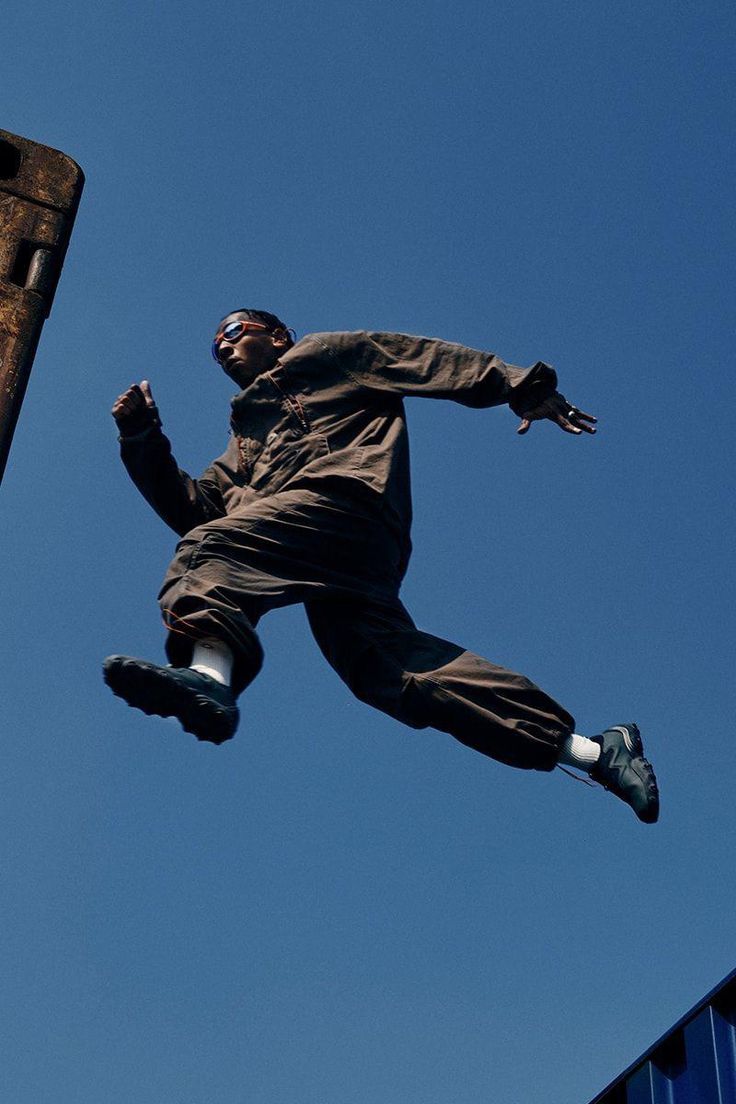
To become the defining menswear brand for a new generation of ambitious men — men who want to look elevated, composed, and successful in every situation, without overthinking what to wear.

NEYO aims to remove friction from modern dressing by creating a wardrobe that transitions effortlessly across environments — from travel to social settings to business-casual moments.
MISSION

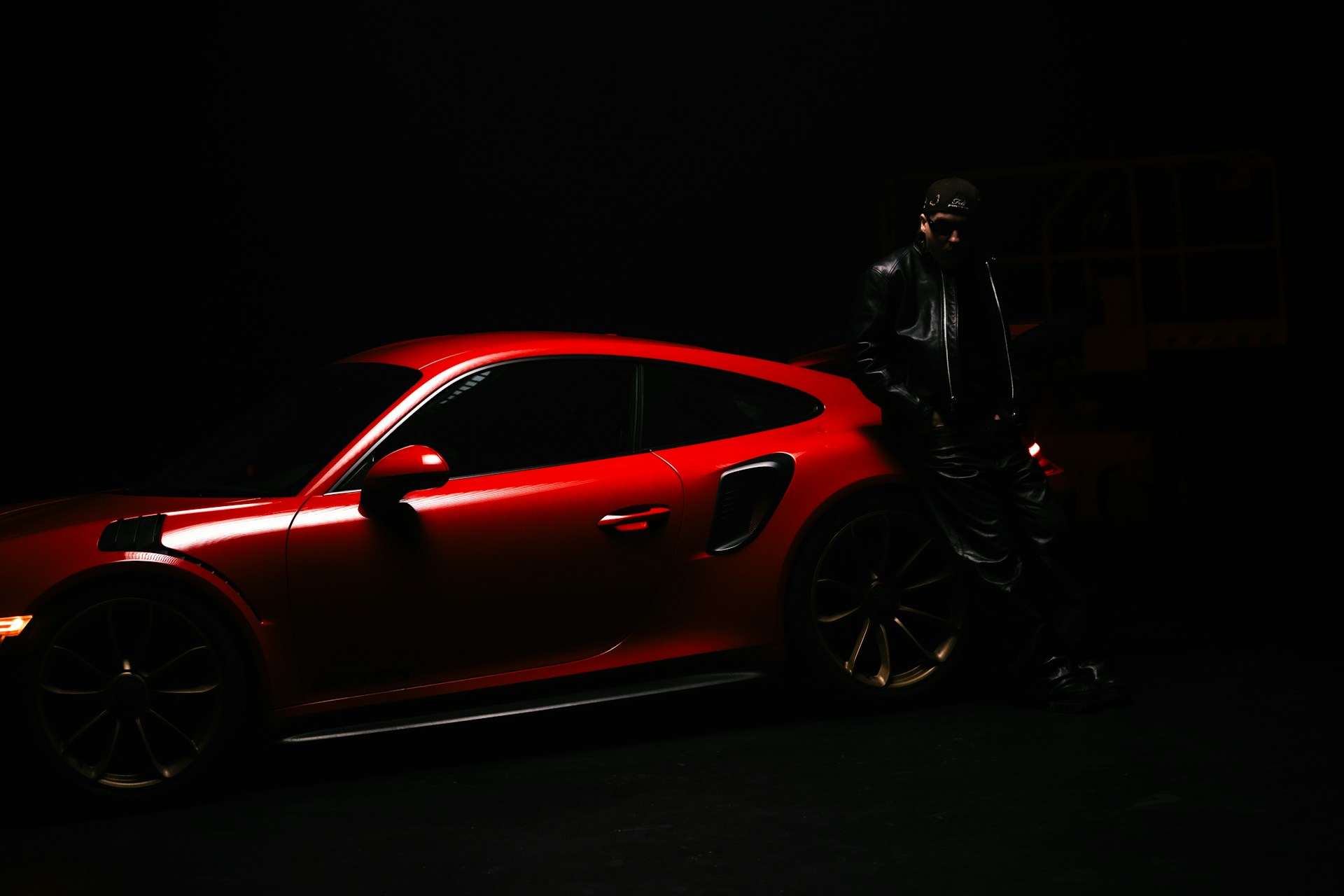
NEYO designs refined leisurewear for men who have outgrown streetwear but reject loud luxury. 

We create pieces that: 

● combine elegance with ease 

● deliver technical excellence and superior craftsmanship 

● feel premium without appearing forced 


Our goal is not to overdress the customer, but to ensure he shows up correctly — in any room, at any time. 

WHAT “OWN THE ROOM” MEANS

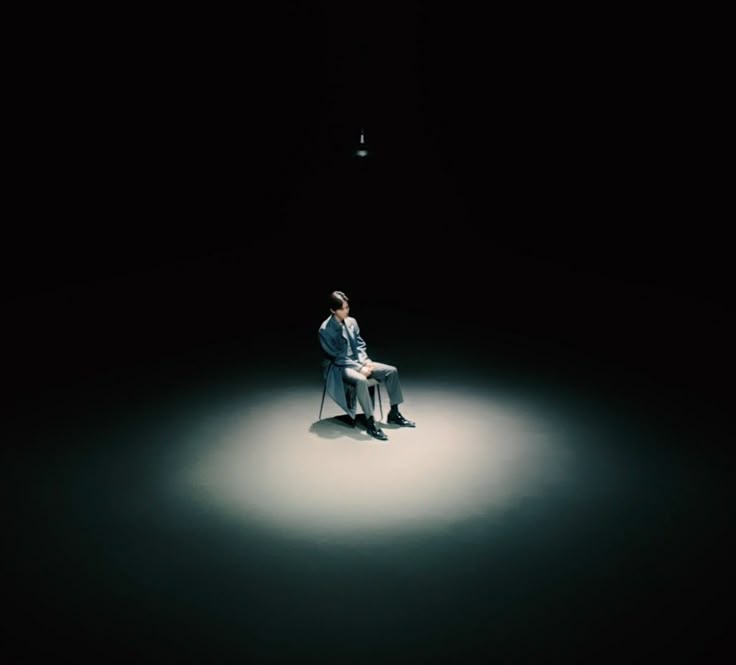
Owning the room is not about dominance or noise. It is about presence. 

It’s the quiet confidence of someone who: 

● knows who he is 

● moves with intention 

● doesn’t seek validation 


NEYO supports that moment through: 

● controlled design 

● clean silhouettes 

● understated details 


You don’t chase attention. You hold it. 
(Target Audience)

Who We Design For

TARGET AUDIENCE

Men who move with intention and clarity. They value discipline, self-respect, and controlled ambition. They: ● travel regularly ● appreciate high-quality environments ● invest in their appearance ● seek status, but never in an obvious way

DEMOGRAPHICS

● Male ● Age: 23–38 (core), extended 20–45 ● Above-average income ● Urban, internationally oriented ● Well-groomed, appearance-conscious

LOCATION

We operate globally. ● International mindset

LIFESTYLE

Relaxed Luxury Lifestyle ● well-dressed, never overdressed ● successful, never stressed ● socially active, but selective ● surrounded by aesthetically elevated environments This lifestyle reflects: ● calm control ● quiet success ● effortless presence

PSYCHOGRAPHICS

The NEYO customer: ● wants to appear attractive without being loud ● seeks belonging to a higher standard of living ● values timelessness over trends ● prioritizes quality over quantity Self-image: ● disciplined ● successful (or becoming) ● composed and intentional He uses clothing as a tool to align his external appearance with his internal identity.

MOTIVATION

The customer seeks clarity and ease. He asks: ● “Can I wear this everywhere?” ● “Does this reflect quality?” ● “Does this make me look put together without effort?” NEYO answers by creating pieces that: ● transition across situations ● eliminate styling complexity ● elevate without trying

BUYING BEHAVIOR

The NEYO customer buys based on identity, not necessity. Key patterns: ● Emotion first, logic second He connects visually, then justifies through quality and price ● Low frequency, high value Fewer purchases, higher expectations ● Outfit-oriented thinking He buys complete looks, not single items ● Selective decision-making Not impulsive — but decisive when the feeling is right Lifestyle perception outweighs traditional advertising.

PAIN POINTS

Psychological ● mismatch between self-image and appearance ● lack of brands balancing simplicity and sophistication ● desire to look refined without overthinking ● fear of appearing overdressed or try-hard Product-related ● poor fit ● low perceived quality ● lack of cohesive outfits ● overly trend-driven or generic designs

TOUCHPOINTS

Every touchpoint must communicate the same feeling: calm confidence, clarity, and understated luxury Key touchpoints: 1. Social Media (Discovery) ○ TikTok / Instagram ○ lifestyle-first, not product-first 2. Website (Conversion) ○ minimal, visual, controlled ○ outfit-focused presentation 3. Product Page (Decision) ○ strong visuals ○ concise messaging ○ immediate emotional clarity 4. Advertising (Reinforcement) ○ consistent aesthetic ○ no aggressive sales language 5. Packaging (First Physical Contact) ○ premium, minimal ○ reinforces brand perception 6. Product (Truth Moment) ○ fit, fabric, feel must exceed expectation 7. Social Proof (Validation) ○ subtle, authentic ○ no forced influencer messaging

PURCHASE TRIGGERS

● strong visual storytelling ● clear, cohesive aesthetic ● emotional identification (“this is me”) ● subtle social validation ● controlled scarcity

PURCHASE KILLERS

● aggressive discounting ● unclear brand identity ● inconsistent visuals ● cheap appearance ● overdesigned collections

CORE STATEMENT

The customer does not buy the product. He buys the version of himself he wants to become.

Pre-Purchase Behaviour PRE-PURCHASE BEHAVIOUR

● multiple exposures (3–7 touchpoints) ● content engagement / saving ● brand validation via social media and website ● conscious final decision Brand perception is more important than direct selling.

(Target Audience)

Who We Design For

TARGET AUDIENCE

Men who move with intention and clarity. They value discipline, self-respect, and controlled ambition. They: ● travel regularly ● appreciate high-quality environments ● invest in their appearance ● seek status, but never in an obvious way

DEMOGRAPHICS

● Male ● Age: 23–38 (core), extended 20–45 ● Above-average income ● Urban, internationally oriented ● Well-groomed, appearance-conscious

LOCATION

We operate globally. ● International mindset

LIFESTYLE

Relaxed Luxury Lifestyle ● well-dressed, never overdressed ● successful, never stressed ● socially active, but selective ● surrounded by aesthetically elevated environments This lifestyle reflects: ● calm control ● quiet success ● effortless presence

PSYCHOGRAPHICS

The NEYO customer: ● wants to appear attractive without being loud ● seeks belonging to a higher standard of living ● values timelessness over trends ● prioritizes quality over quantity Self-image: ● disciplined ● successful (or becoming) ● composed and intentional He uses clothing as a tool to align his external appearance with his internal identity.

MOTIVATION

The customer seeks clarity and ease. He asks: ● “Can I wear this everywhere?” ● “Does this reflect quality?” ● “Does this make me look put together without effort?” NEYO answers by creating pieces that: ● transition across situations ● eliminate styling complexity ● elevate without trying

BUYING BEHAVIOR

The NEYO customer buys based on identity, not necessity. Key patterns: ● Emotion first, logic second He connects visually, then justifies through quality and price ● Low frequency, high value Fewer purchases, higher expectations ● Outfit-oriented thinking He buys complete looks, not single items ● Selective decision-making Not impulsive — but decisive when the feeling is right Lifestyle perception outweighs traditional advertising.

PAIN POINTS

Psychological ● mismatch between self-image and appearance ● lack of brands balancing simplicity and sophistication ● desire to look refined without overthinking ● fear of appearing overdressed or try-hard Product-related ● poor fit ● low perceived quality ● lack of cohesive outfits ● overly trend-driven or generic designs

TOUCHPOINTS

Every touchpoint must communicate the same feeling: calm confidence, clarity, and understated luxury Key touchpoints: 1. Social Media (Discovery) ○ TikTok / Instagram ○ lifestyle-first, not product-first 2. Website (Conversion) ○ minimal, visual, controlled ○ outfit-focused presentation 3. Product Page (Decision) ○ strong visuals ○ concise messaging ○ immediate emotional clarity 4. Advertising (Reinforcement) ○ consistent aesthetic ○ no aggressive sales language 5. Packaging (First Physical Contact) ○ premium, minimal ○ reinforces brand perception 6. Product (Truth Moment) ○ fit, fabric, feel must exceed expectation 7. Social Proof (Validation) ○ subtle, authentic ○ no forced influencer messaging

PURCHASE TRIGGERS

● strong visual storytelling ● clear, cohesive aesthetic ● emotional identification (“this is me”) ● subtle social validation ● controlled scarcity

PURCHASE KILLERS

● aggressive discounting ● unclear brand identity ● inconsistent visuals ● cheap appearance ● overdesigned collections

CORE STATEMENT

The customer does not buy the product. He buys the version of himself he wants to become.

Pre-Purchase Behaviour PRE-PURCHASE BEHAVIOUR

● multiple exposures (3–7 touchpoints) ● content engagement / saving ● brand validation via social media and website ● conscious final decision Brand perception is more important than direct selling.

(Target Audience)

Who We Design For

TARGET AUDIENCE

Men who move with intention and clarity. They value discipline, self-respect, and controlled ambition. They: ● travel regularly ● appreciate high-quality environments ● invest in their appearance ● seek status, but never in an obvious way

DEMOGRAPHICS

● Male ● Age: 23–38 (core), extended 20–45 ● Above-average income ● Urban, internationally oriented ● Well-groomed, appearance-conscious

LOCATION

We operate globally. ● International mindset

LIFESTYLE

Relaxed Luxury Lifestyle ● well-dressed, never overdressed ● successful, never stressed ● socially active, but selective ● surrounded by aesthetically elevated environments This lifestyle reflects: ● calm control ● quiet success ● effortless presence

PSYCHOGRAPHICS

The NEYO customer: ● wants to appear attractive without being loud ● seeks belonging to a higher standard of living ● values timelessness over trends ● prioritizes quality over quantity Self-image: ● disciplined ● successful (or becoming) ● composed and intentional He uses clothing as a tool to align his external appearance with his internal identity.

MOTIVATION

The customer seeks clarity and ease. He asks: ● “Can I wear this everywhere?” ● “Does this reflect quality?” ● “Does this make me look put together without effort?” NEYO answers by creating pieces that: ● transition across situations ● eliminate styling complexity ● elevate without trying

BUYING BEHAVIOR

The NEYO customer buys based on identity, not necessity. Key patterns: ● Emotion first, logic second He connects visually, then justifies through quality and price ● Low frequency, high value Fewer purchases, higher expectations ● Outfit-oriented thinking He buys complete looks, not single items ● Selective decision-making Not impulsive — but decisive when the feeling is right Lifestyle perception outweighs traditional advertising.

PAIN POINTS

Psychological ● mismatch between self-image and appearance ● lack of brands balancing simplicity and sophistication ● desire to look refined without overthinking ● fear of appearing overdressed or try-hard Product-related ● poor fit ● low perceived quality ● lack of cohesive outfits ● overly trend-driven or generic designs

TOUCHPOINTS

Every touchpoint must communicate the same feeling: calm confidence, clarity, and understated luxury Key touchpoints: 1. Social Media (Discovery) ○ TikTok / Instagram ○ lifestyle-first, not product-first 2. Website (Conversion) ○ minimal, visual, controlled ○ outfit-focused presentation 3. Product Page (Decision) ○ strong visuals ○ concise messaging ○ immediate emotional clarity 4. Advertising (Reinforcement) ○ consistent aesthetic ○ no aggressive sales language 5. Packaging (First Physical Contact) ○ premium, minimal ○ reinforces brand perception 6. Product (Truth Moment) ○ fit, fabric, feel must exceed expectation 7. Social Proof (Validation) ○ subtle, authentic ○ no forced influencer messaging

PURCHASE TRIGGERS

● strong visual storytelling ● clear, cohesive aesthetic ● emotional identification (“this is me”) ● subtle social validation ● controlled scarcity

PURCHASE KILLERS

● aggressive discounting ● unclear brand identity ● inconsistent visuals ● cheap appearance ● overdesigned collections

CORE STATEMENT

The customer does not buy the product. He buys the version of himself he wants to become.

Pre-Purchase Behaviour PRE-PURCHASE BEHAVIOUR

● multiple exposures (3–7 touchpoints) ● content engagement / saving ● brand validation via social media and website ● conscious final decision Brand perception is more important than direct selling.

Create a free website with Framer, the website builder loved by startups, designers and agencies.